 Google Gemini
View Full
Google Gemini
View Full
### Google Gemini — Photorealistic Editorial - Free AI Im...
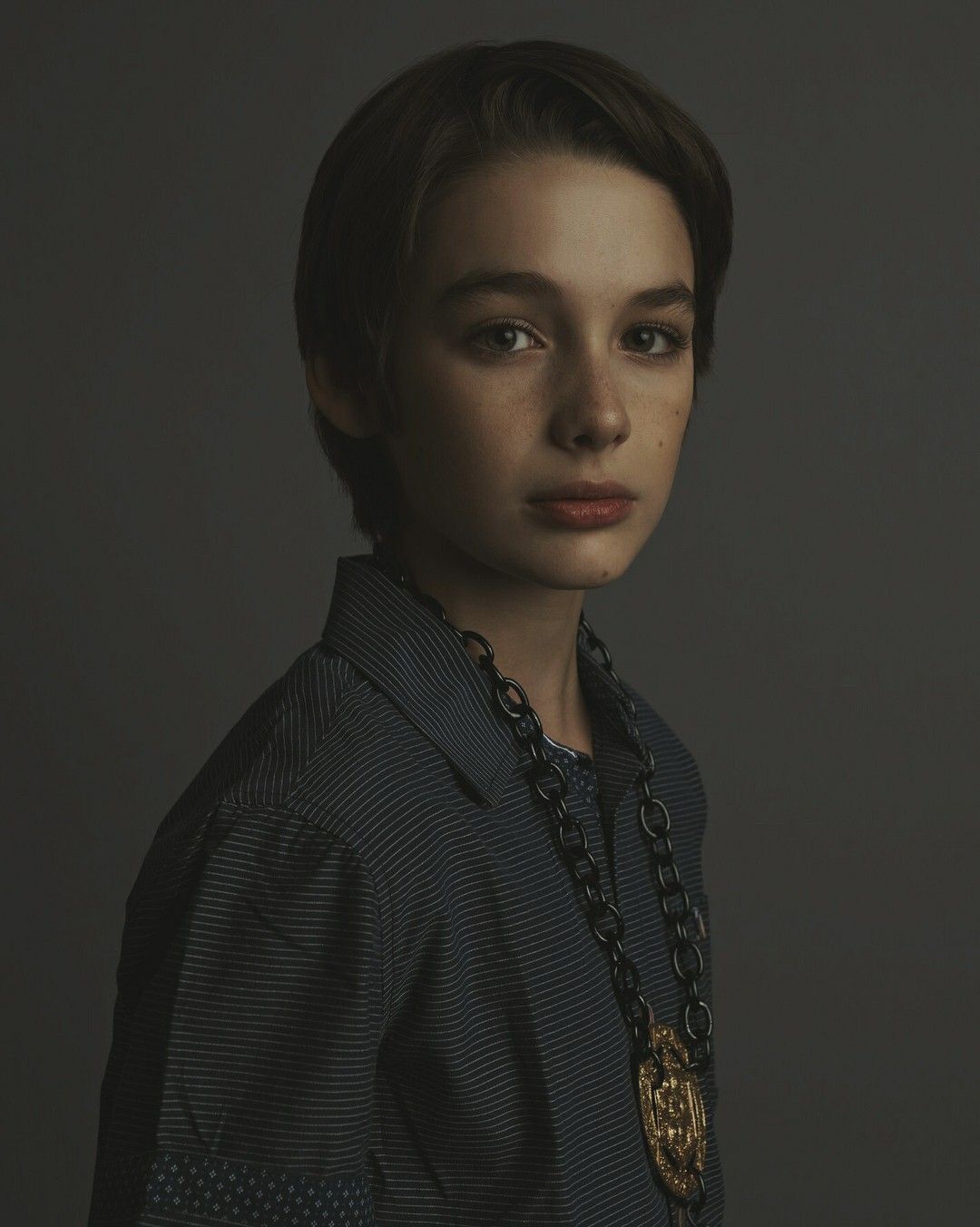
### Google Gemini — Photorealistic Editorial Portrait Recreation
**Use the uploaded image as the primary visual reference.** Recreate the same subject appearance, facial characteristics, hairstyle, pose, wardrobe, composition, lighting, background, color palette, and photographic atmosphere as closely as possible.
Treat the uploaded image as the **visual blueprint**, while maintaining realistic photographic rendering.
### SUBJECT & APPEARANCE
Use the person from the uploaded reference as the main subject.
Preserve their recognizable natural facial characteristics, including:
* Face shape and proportions
* Eye shape and placement
* Eyebrows
* Nose structure
* Lips and mouth proportions
* Jawline and cheek structure
* Natural skin tone
* Subtle freckles and skin texture
* Hairline
* Hairstyle and hair density
The expression should remain **calm, composed, and neutral**, with relaxed lips and a direct, slightly off-center gaze toward the camera.
Do not apply beauty filters, excessive smoothing, or artificial facial enhancement.
### HAIR
Recreate the short, dark-brown hairstyle from the reference.
The hair should be:
* Smooth but naturally textured
* Side-parted
* Brushed backward and slightly toward one side
* Naturally layered around the ears and back
* Detailed with individual strands
* Subtly highlighted by the directional light
Maintain realistic hair density and natural imperfections.
### HEAD POSITION & POSE
Create a refined editorial portrait pose.
The subject\'s body is turned slightly away from the camera while the head turns back toward the viewer.
The shoulders should be angled diagonally, creating a subtle three-quarter pose.
Keep the neck naturally elongated and the posture relaxed.
The expression should feel quiet, sophisticated, and contemplative rather than smiling.
### COMPOSITION
Create a **vertical medium close-up editorial portrait**.
Frame approximately from the top of the head down to the mid-torso.
Position the subject slightly toward the center-left of the composition, leaving some negative space on the right side.
The face should remain the primary focal point.
Maintain the same intimate portrait scale and balanced negative space visible in the reference.
### CLOTHING
Recreate the distinctive dark outfit from the reference.
The subject is wearing a **dark charcoal/black structured garment** featuring:
* Wide structured collar
* Fine vertical pinstripe texture
* Subtle woven fabric detail
* Slightly oversized silhouette
* Layered construction
* Decorative patterned fabric near the lower sleeve area
Include the prominent **dark linked chain accessory** hanging around the neck and down the front of the garment.
The chain should consist of realistic interlocking oval links with metallic highlights.
Include the distinctive **gold-toned decorative pendant/ornament** attached toward the lower portion of the chain.
Preserve realistic material differences between the matte fabric, metallic chain, and gold-toned ornament.
### BACKGROUND
Create a **minimal dark charcoal-gray studio background**.
The background should be smooth and understated with subtle tonal variation.
Use a gentle gradient from darker gray around the edges to slightly lighter gray behind the subject.
There should be:
* No scenery
* No furniture
* No additional people
* No text
* No logos
* No decorative objects
The background should create an elegant editorial atmosphere.
### LIGHTING
Reproduce the dramatic **low-key directional studio lighting** shown in the reference.
Use a soft directional key light positioned toward the upper-left/front of the subject.
The light should illuminate primarily one side of the face while allowing the opposite side to fall into deep but detailed shadow.
Create:
* Soft highlight across the forehead
* Gentle illumination on the cheekbone
* Subtle catchlights in the eyes
* Controlled highlight along the nose
* Soft lip highlights
* Gradual shadow transition across the jaw
* Subtle rim separation around the hair
* Gentle highlights on the metallic chain
* Controlled reflections on the gold-toned ornament
The lighting should feel **moody, sophisticated, cinematic, and editorial**, but still physically realistic.
Avoid harsh flash, neon lighting, colored gels, or excessive artificial glow.
### CAMERA & LENS
Create the appearance of a professionally captured high-end editorial portrait.
Use a full-frame camera aesthetic with an approximately **70–85mm portrait lens**.
Camera characteristics:
* Vertical orientation
* Eye-level or slightly elevated viewpoint
* Three-quarter body orientation
* Natural perspective
* Minimal lens distortion
* Shallow depth of field
* Precise facial focus
* High-resolution detail
* Realistic dynamic range
* Soft natural lens rendering
The eyes and facial features should be the sharpest elements.
### COLOR GRADING
Use a **dark, muted, warm-neutral cinematic color grade**.
Dominant colors:
* Charcoal gray
* Deep black
* Subtle warm brown
* Muted skin tones
* Dark metallic tones
* Small controlled gold highlights
Keep the image low saturation and sophisticated.
The gold ornament should provide a restrained warm accent without becoming overly bright.
Avoid excessive HDR, crushed blacks, extreme contrast, artificial teal-orange grading, or oversaturation.
### MATERIAL REALISM
Pay special attention to the different physical materials.
The garment should have realistic fine woven/pinstripe fabric.
The chain should appear metallic with realistic reflections and small specular highlights.
The gold-toned pendant should have slightly aged, textured metallic surfaces rather than looking like polished CGI.
Skin should retain natural pores, subtle freckles, fine facial texture, and realistic tonal variation.
### PHOTOREALISM
The final result must look like a **real professional editorial photograph**, not an illustration, painting, 3D render, or AI artwork.
Preserve realistic:
* Facial anatomy
* Skin texture
* Hair strands
* Eye reflections
* Eyelashes and eyebrows
* Fabric fibers
* Pinstripe pattern
* Chain links
* Metallic reflections
* Pendant texture
* Natural shadows
* Light falloff
* Depth of field
Avoid plastic skin, excessive retouching, artificial eyes, distorted anatomy, warped clothing, broken chain links, duplicated jewelry, unrealistic metallic surfaces, excessive sharpening, or CGI-like textures.
### REFERENCE PRIORITY
**The uploaded image is the primary visual blueprint.**
Match the reference in this priority:
1. Subject appearance and facial characteristics
2. Hairstyle
3. Facial expression and gaze
4. Head angle and body orientation
5. Clothing silhouette and pinstripe texture
6. Chain and pendant placement
7. Camera framing
8. Lighting direction and intensity
9. Dark studio background
10. Color palette
11. Overall editorial mood
Do not introduce unrelated people, objects, text, logos, scenery, or decorative elements.
### FINAL OUTPUT
Generate **one highly photorealistic vertical editorial portrait** matching the uploaded reference: the same subject in a three-quarter pose, wearing a dark pinstriped structured garment with a linked chain and gold-toned pendant, against a minimal charcoal studio background, illuminated by dramatic soft directional low-key lighting.
The final photograph should feel **moody, sophisticated, cinematic, fashion-editorial, understated, and premium**, with realistic skin, hair, fabric, metal, shadows, and photographic depth.
**Important:** Preserve the uploaded subject\'s natural appearance and reproduce the reference\'s composition, styling, lighting, and atmosphere as accurately as possible.
More 🧒 Kids Prompts
 Google Gemini
### Google Gemini — Photorealistic Portrait Recreation Prompt **Use the uploa…
 Google Gemini
### Google Gemini — Photorealistic Portrait Recreation Prompt **Use the uploa…
 Google Gemini
### Google Gemini — Photorealistic Portrait Recreation Prompt **Use the uploa…
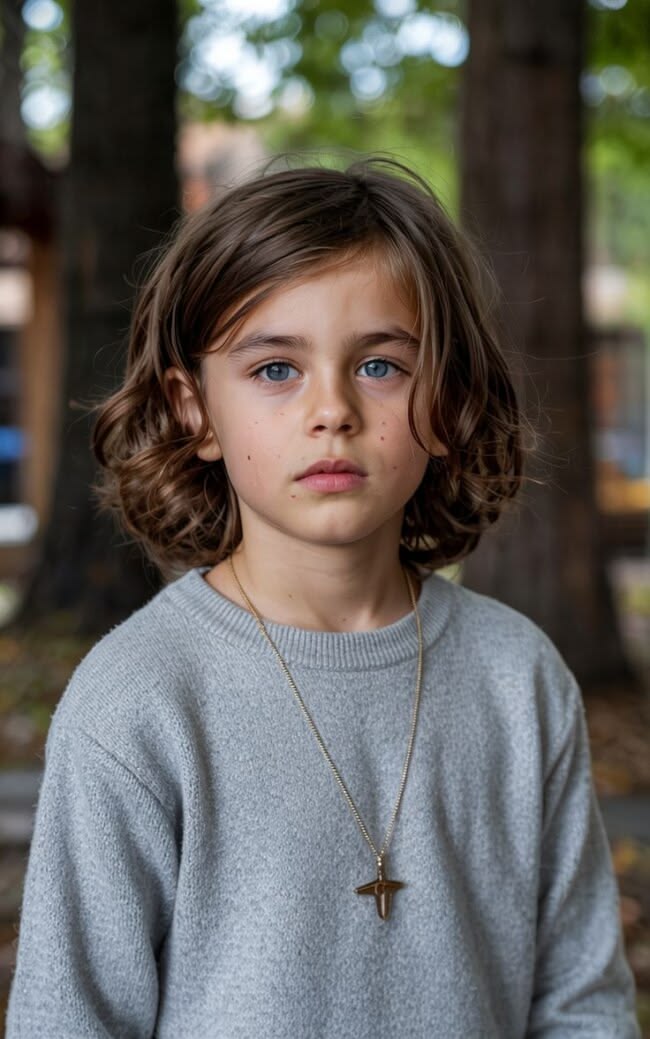 DALL-E
### Google Gemini — Reference-to-Image Prompt **Use the uploaded image as the…
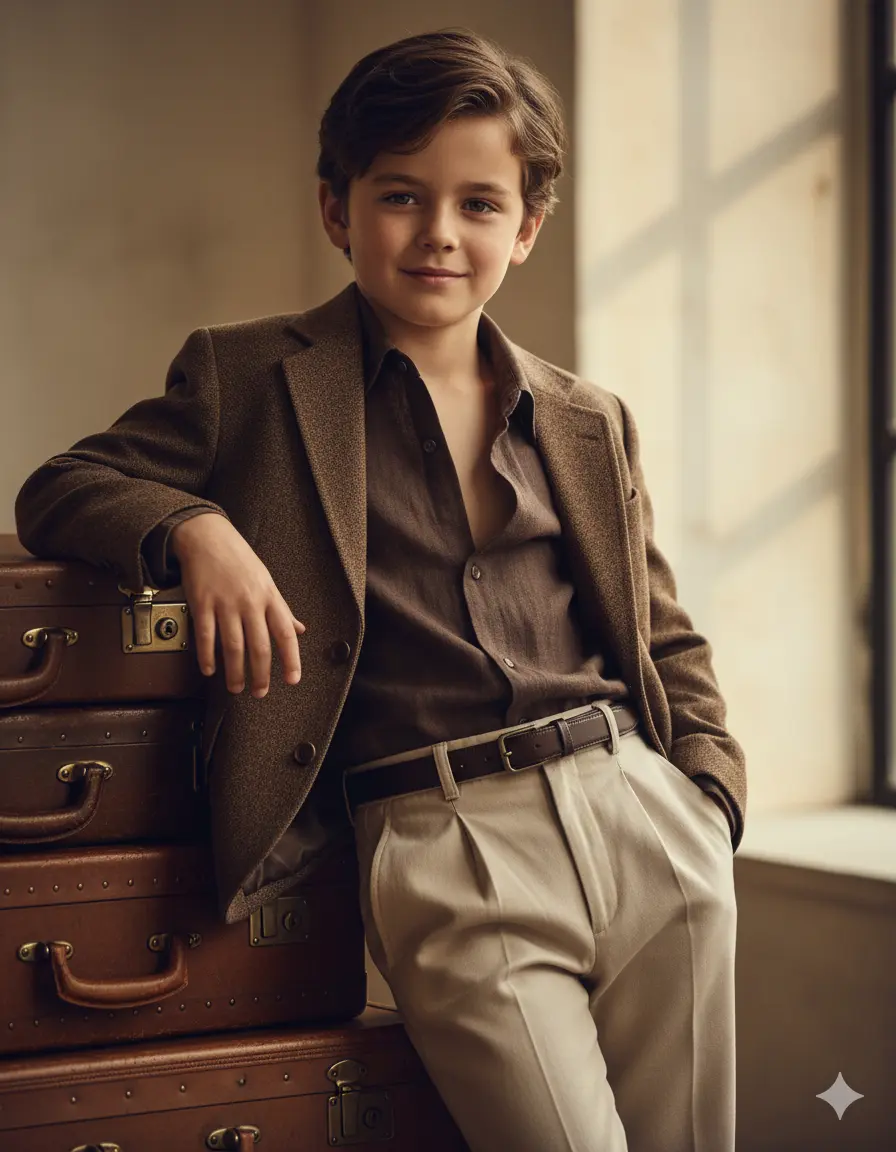 Google Gemini
Use the exact same face from the attached photo — he is a child, stylish and con…
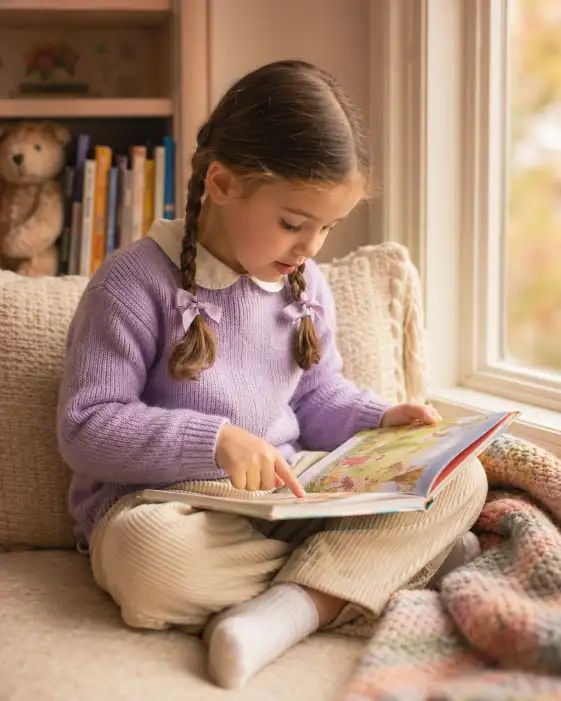 DALL-E
Create a warm indoor portrait of a 5-year-old girl sitting cross-legged in a coz…
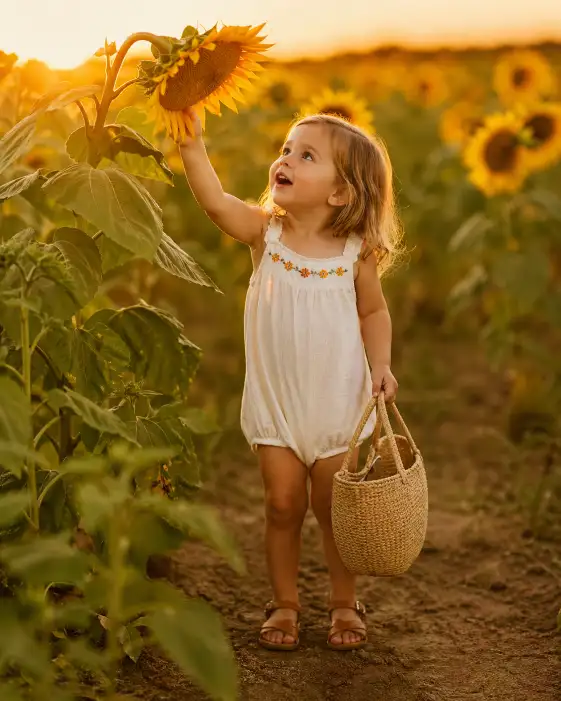 DALL-E
Create a heartwarming photo of a 3-year-old toddler standing in a tall sunflower…
 Google Gemini
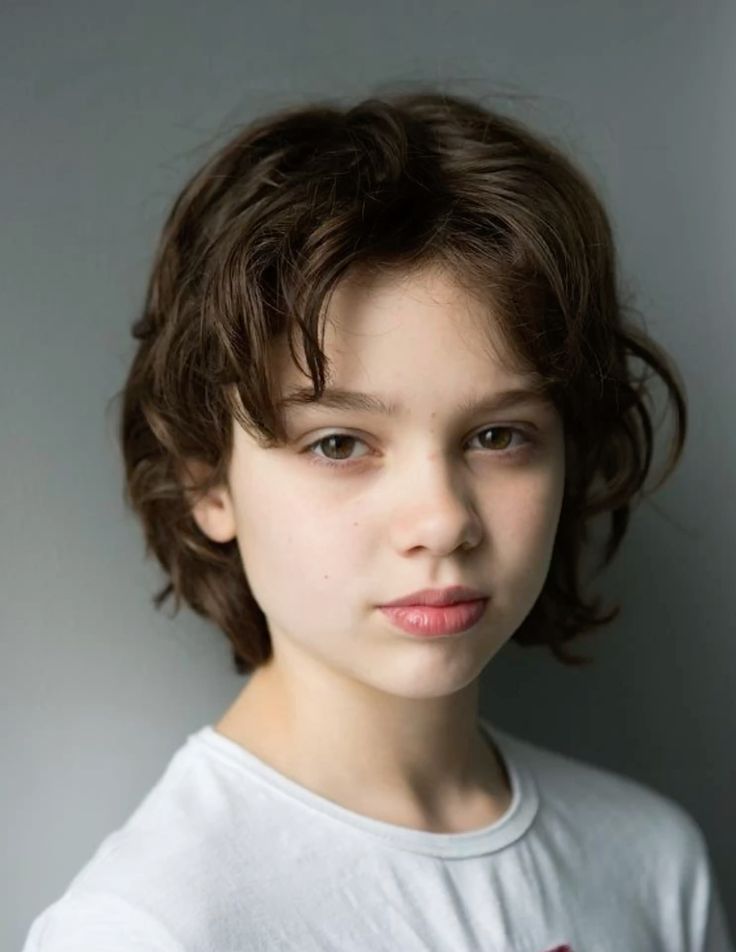
### Google Gemini — Reference-Based Portrait Prompt **Use the uploaded image …
Save this prompt
Create a free account to save, like & comment on AI image prompts.